
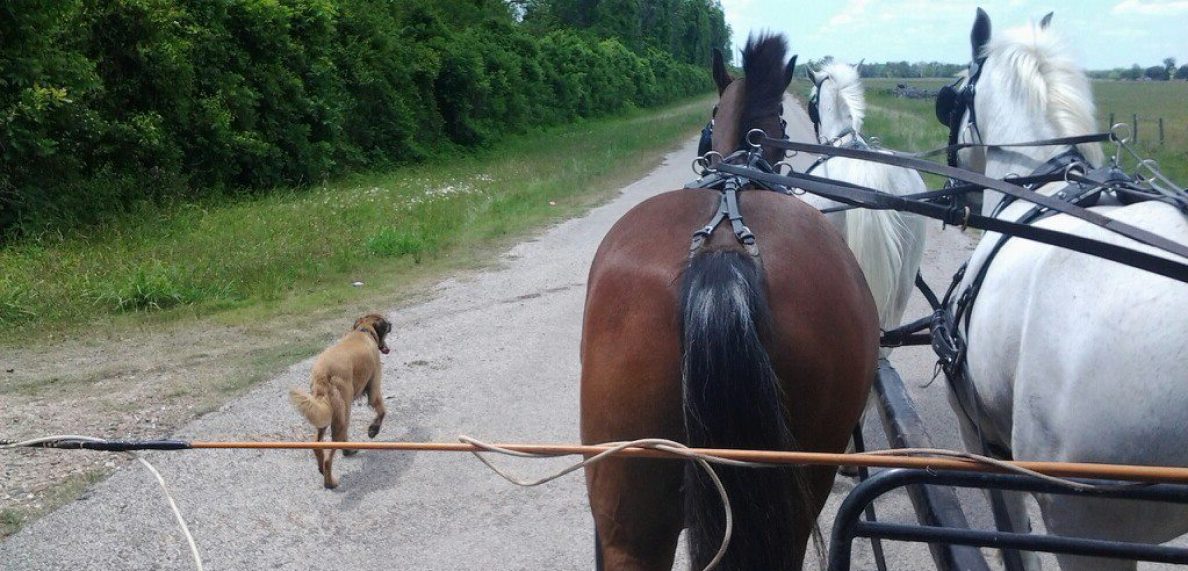
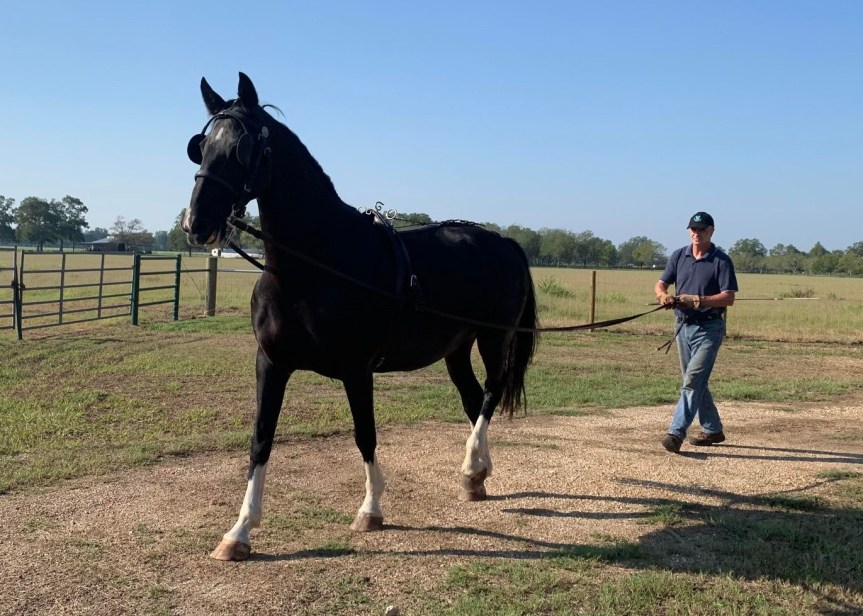
Last week’s short video about training got me thinking about training plans! What does a training plan look like? That really depends on what you’re aiming for and the temperament of your equine partner, but in any case, the goal is to develop a responsive, balanced, happy equine partner who is fit for your purpose.
Generally speaking, getting a horse fit takes about 6 weeks of gently building up exercise – which in turn builds stamina and fitness to achieve a level of basic fitness.
“Backwards planning” 6-8 weeks from your event can really help you, the driver, stay motivated and gives you something to aim for. By backwards planning, I mean that you start your planning calendar with the date you want to be fit for a competition, or the start of show season, for example. Then ask yourself what steps you must take in training, and how long each of those steps will take, and fill the calendar in backwards to arrive at your training start dates for each activity. As with everything training-related, slow and steady wins the race. Allow plenty of time to let your horse adapt to the training activity. This can help prevent injuries related to a lack of fitness.
Within our training plan, we have a number of options available to us such as riding, lunging, long reining, driving, and (depending upon your facility) maybe even a horse walker.
During winter, having enough time and light in the evening after work can be a challenge. This where things like lunging and long-reining can be useful to keep your horse ticking during the week. Lunging and long reining are also very useful alternatives to driving, especially if you don’t have a groom available to drive with. These techniques allow you to work on ensuring that your horse is responsive to voice commands, and to practice standing. Both of these are very important for carriage horses, as unlike in riding, they are not in direct contact with you. You also can use these techniques to assess how the horse bends in turns.
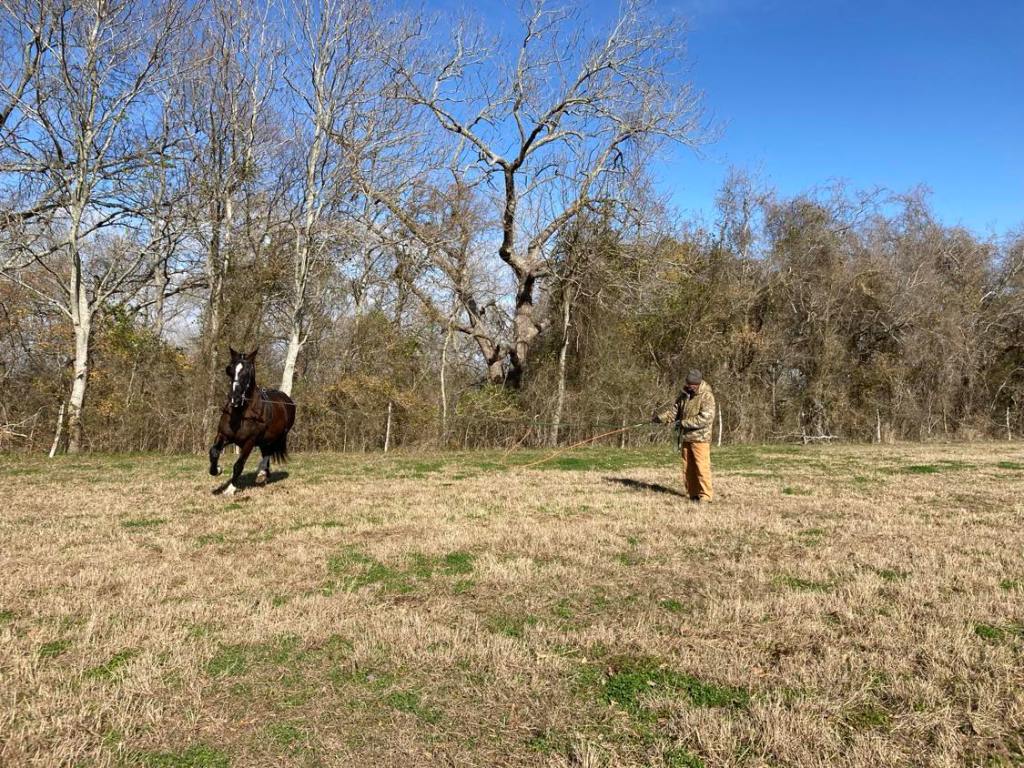
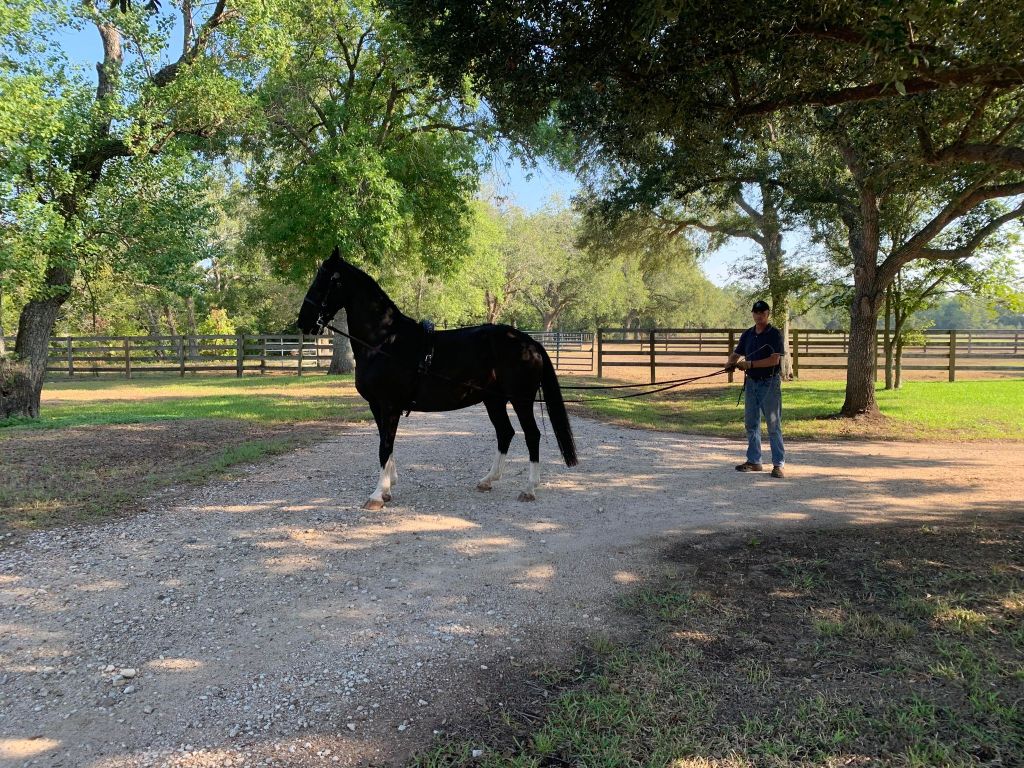
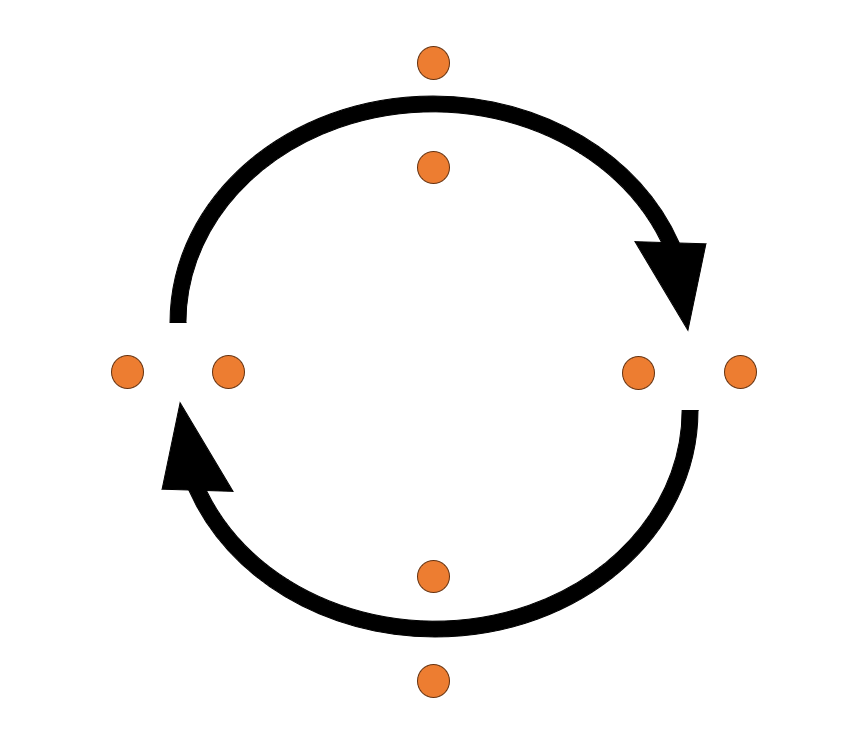
When long-reining, you can use your imagination and find interesting ways to use cones. One of my personal favorites is to make a cross of cones like the pattern here, which can be useful to practice halts, turns, and making your circles round. It’s a fun pattern to drive, too!
If your horse is trained to ride, this is also a great way to improve his balance, bending, and overall suppleness and muscle tone. A good friend of mine who was British national tandem champion believed that if you want to improve your dressage score at a CDE, then the horses should also be ridden and compete in dressage under saddle.
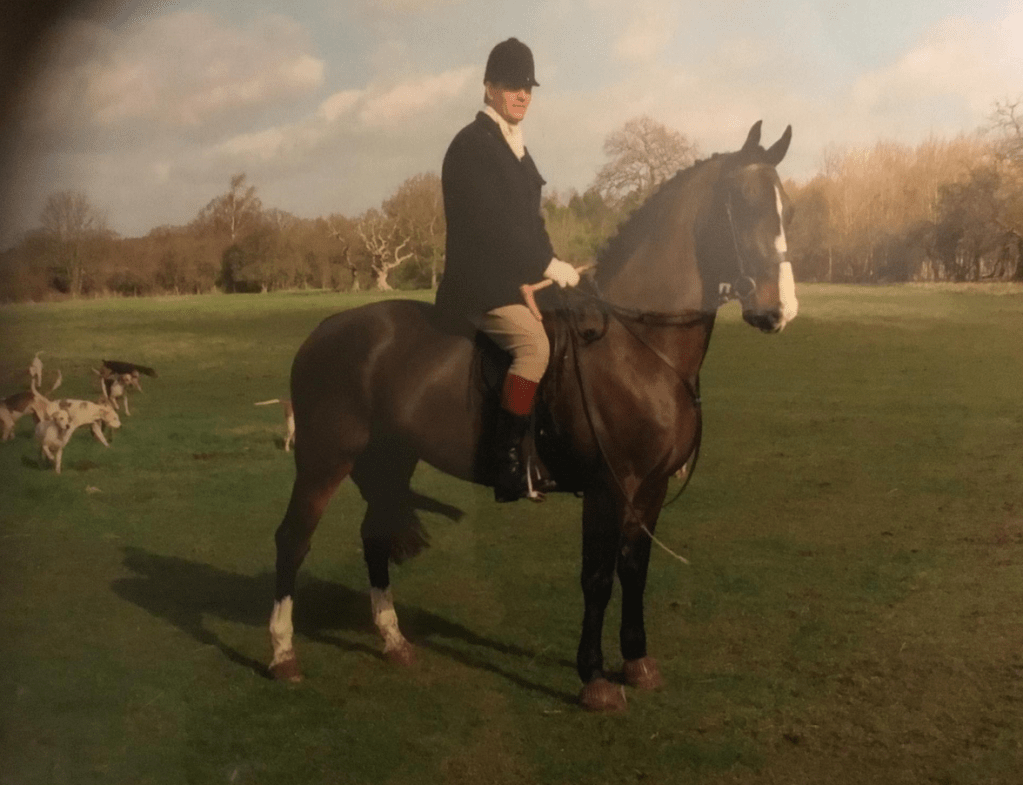
I’ve been lucky that many of the horses I’ve driven over the years were also trained for riding, which helped us to keep them fit in the off season. But we found that this can be a double-edged sword! One pair of leaders spent the winter fox hunting, so when we started the driving and coaching season, they were super fit and exuberant. They were a little lean for the show ring, but definitely up for a show drive of 7 or 8 miles!
Variety is important! The old adage, “a change is as good as a rest,” can really help to keep a horse from getting bored and naughty. Caroline Dale-Leech, MBE, always told us a tale a about the local milkman who believed driving the 30 miles for lunch with his sister on a Sunday helped to keep his milk-delivery horse fresh. Changing what your horse does on a regular basis can really change the horse’s attitude.
Be creative, include some variety, and remember, if you’re having fun, your equine partner probably is, too!
In the video below, see some of the activities we use to add some training variety at Ranch Ride Carriage Drive!
 Ranch Ride Carriage Drive LLC