
It’s that time of year when our horses start growing a thick winter coat. Horses naturally grow a thicker coat usually starting around late September. Once a horse is clipped, it can require re-clipping every 2-4 weeks until late December. We have a saying in our household that we don’t clip horses after Christmas. It is an easy way to remember that after that time, clipping can interfere with the new shorter, slicker summer coat coming in. Clipping after Christmas is reserved for horses that have a medical condition like Cushing’s, which prevents the horse from shedding its winter coat.
The horse’s winter coat is natural, and protects him from the cooler and wetter weather in the winter. So why clip a horse’s coat at all?
The coat works really well for wild horses, but it can present a challenge for domesticated horses. A horse with his natural, thick, wooly coat probably does not need a blanket. But if he’s a working horse during the winter, his thicker coat makes it harder for us to groom, and can make it harder to manage his health and comfort in the winter months.
If you want to enjoy riding or driving, and your wooly horse has been turned out without a blanket, the surface of his coat may be wet and muddy, or crusted with dried mud. It can be difficult to completely remove mud and dirt, potentially causing saddles or harness to rub and result in irritation.
Once you finish your grooming and begin exercising, the extra insulation of the winter coat can cause the horse to get too hot and sweaty. On some horses, the wet hair can even form uncomfortable knots from chafing under collars or girths. The sweat can take up to 12 hours to dry, which means that the horse will then become chilled after exercise. It can take a lot of energy for the horse to get warm and dry again, especially if he doesn’t have proper shelter from the elements.
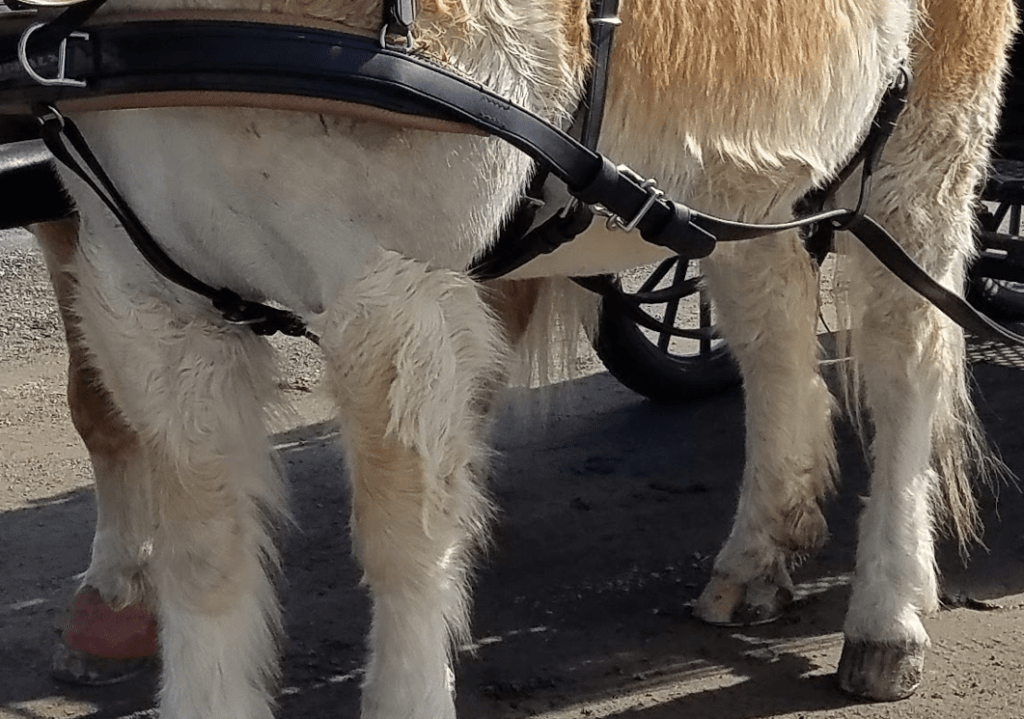
Clipping helps to reduce these issues by removing some of the winter coat from the horse. The process of clipping a horse doesn’t cause any pain or discomfort if done correctly. Just like our haircuts, there are many different styles, from a full body clip to a basic trim. The amount of hair removed with each pass of the clipper will vary depending upon the type of blade and guard chosen. Blade guards of different sizes allow for customization to the horse’s needs and environment.
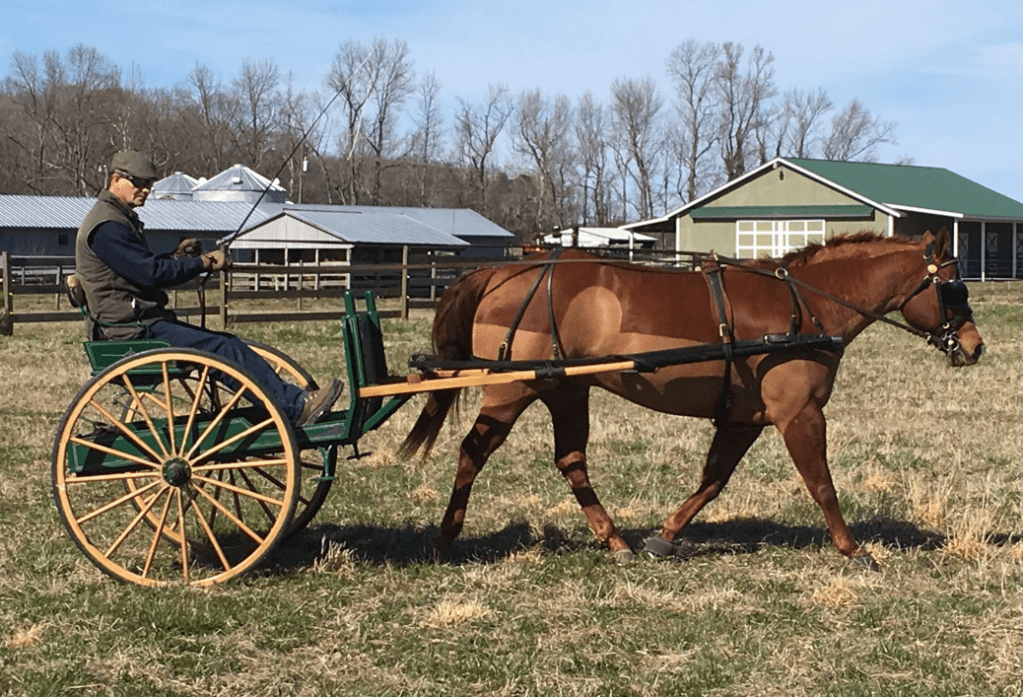
Whilst clipping horses, it’s important to pay attention to the safety of the horse. If you’re using clippers with a cord, make sure that the horse doesn’t stand on the cable. If your horse has never been clipped before, introduce him slowly to the clippers and the feeling of getting clipped.
Keep your clipper blades well lubricated to help keep them cool and to extend their useful life, and it’s always a good idea to wash and groom horses thoroughly before trying to clip them. The extra grease and grime hiding at the bottom of the winter coat can cause clipper blades to get blunt very quickly.
After clipping, horses might still be turned out without a blanket, depending upon the type of clip you choose, and the weather conditions. There are many differing opinions on blanketing – factors like temperature, precipitation, thickness of the blanket, and breed of horse all come under consideration. You know your local climate and your horse’s situation best. If you choose to clip your horse, keep your turnout blankets ready in advance, so you’re not caught without proper protection in case of a severe weather change.
If you plan to clip for this winter, remember… we don’t clip after Christmas!
Fun Fact: The growth of the winter coat is in response to changing light conditions rather than temperatures. It is not a coincidence that after the Equinox, growth of the winter coat becomes most noticeable, and after the Solstice, the horse starts to shed his winter coat and grow his summer coat in response to the lengthening daylight hours.
 Ranch Ride Carriage Drive LLC