
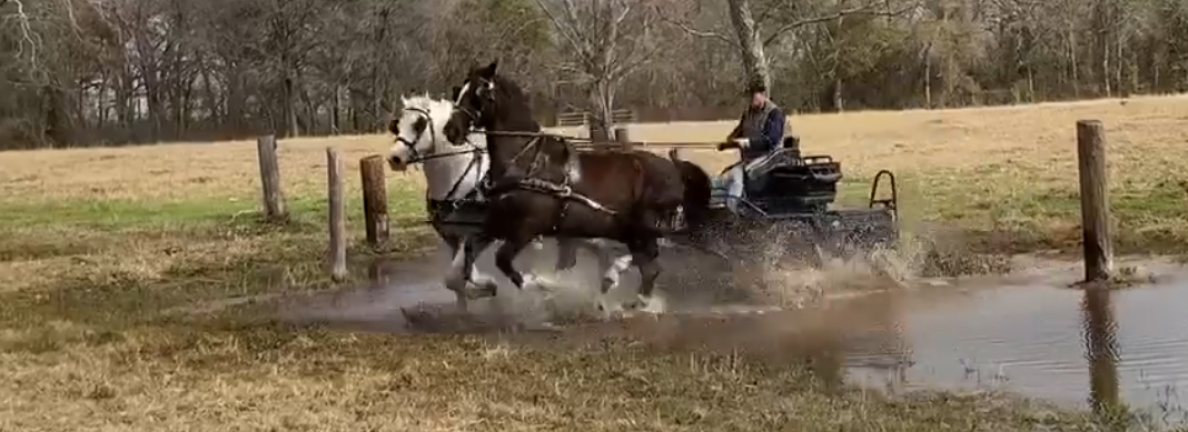
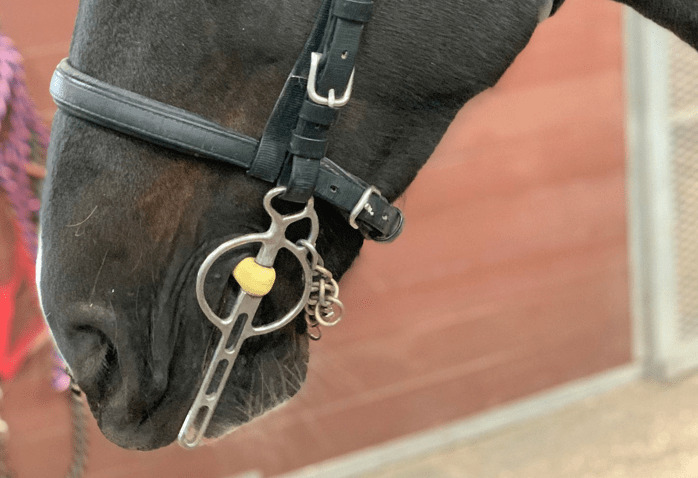
Bits inspire endless debate and many strong opinions. For me, the bit should suit the horse and rider/driver, and be appropriate for the rules of either the turnout or competition.
There is a huge array of bits, mouth pieces, and types of materials from which they are manufactured, from many different suppliers. How does one choose? How should it fit? What is the effect of a particular bit on a particular horse’s responsiveness?
First of all, if you are competing or showing a turnout, your choice of bits will be limited according to the rules of the event. For example, if you are driving a turnout, is yours a formal one requiring a Buxton bit, a country one which needs a Liverpool, or a gig which needs a gig bit? Also, be aware that rules can change over time. Always double check the rules in advance, to ensure that your choice of bit is still legal, as well as correct for your turnout.
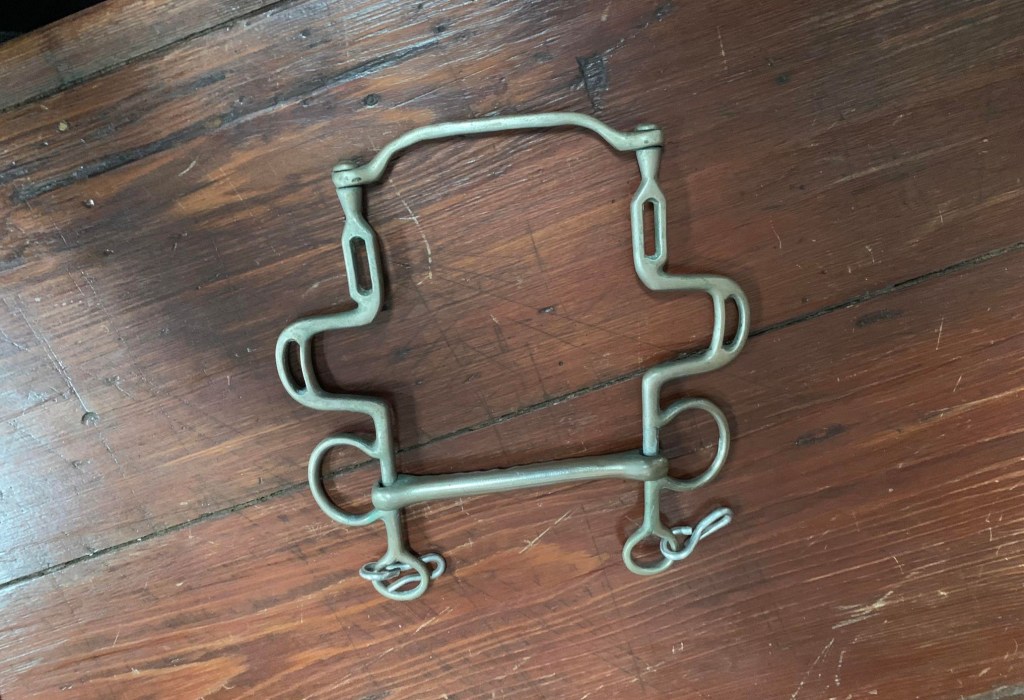
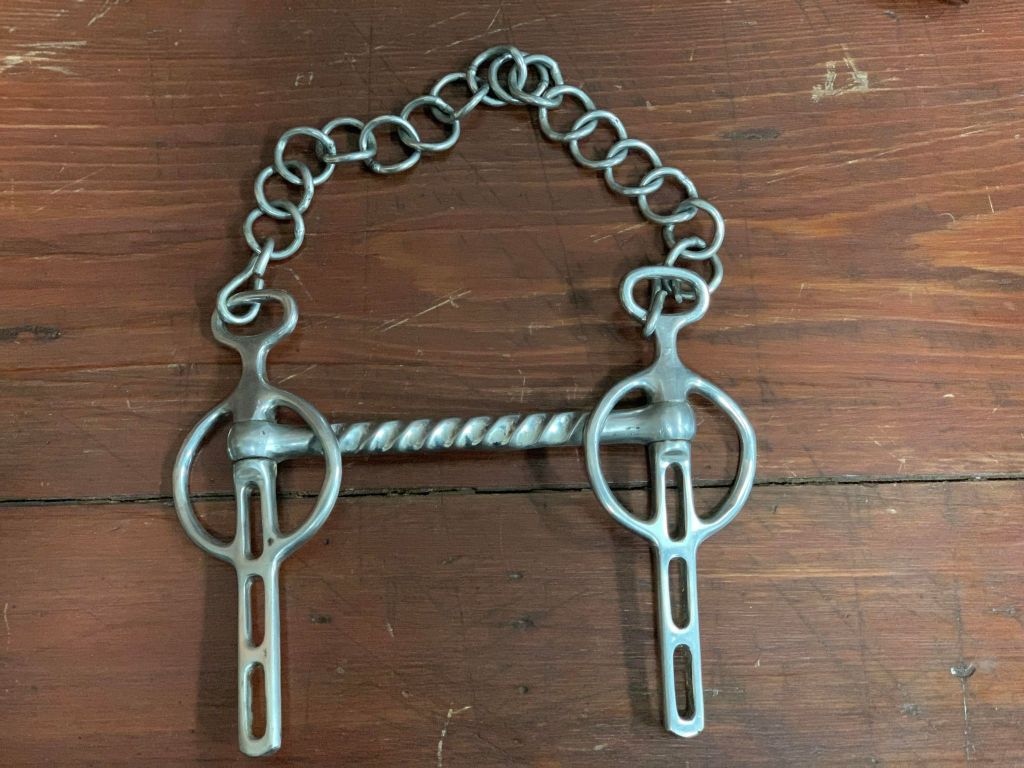
Our next consideration is the fit. Getting the horse comfortable in the mouth is incredibly important as this is one of your primary points of communication. Often the bit is blamed when the horse doesn’t perform as we expect, but there may be other factors involved; for example, the horse may have sharp edges on its teeth or another problem in its mouth. So, before reaching for that shiny new bit, ensure that your horse’s teeth and mouth have been checked.
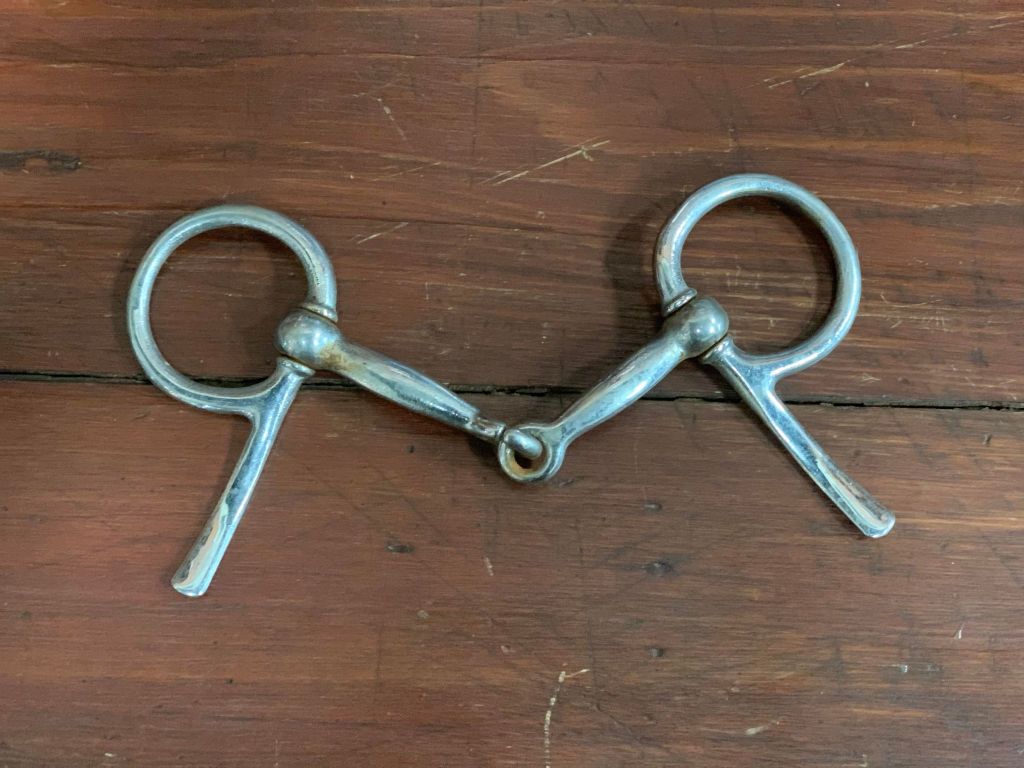
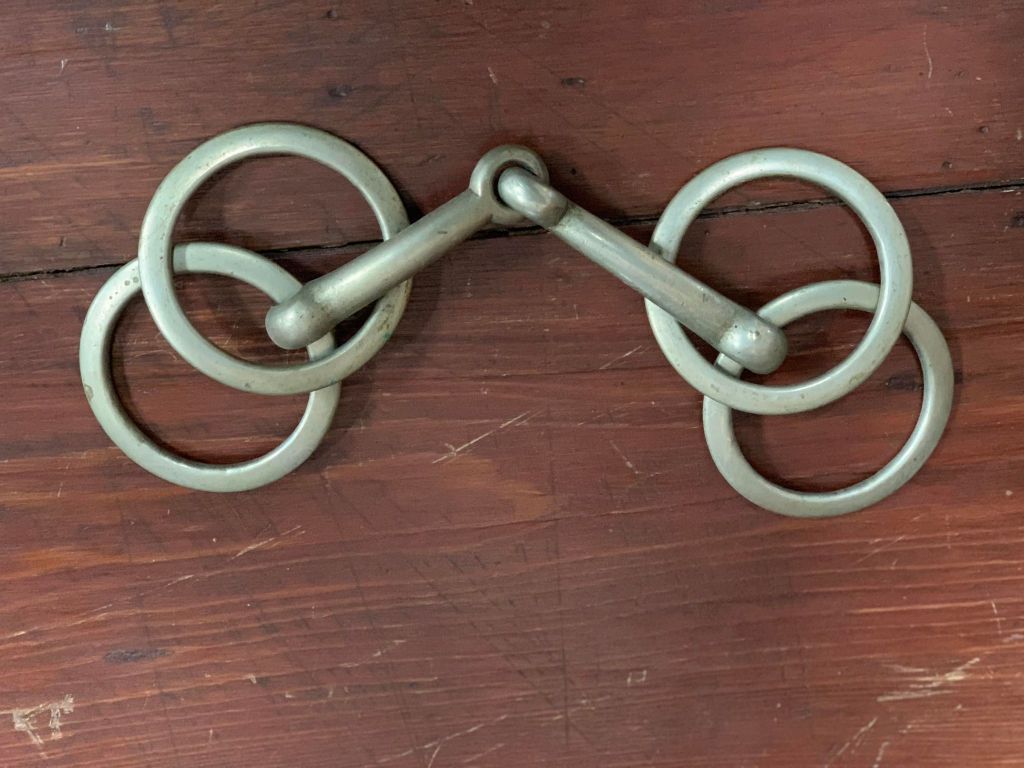
When choosing the size of the bit, the mouthpiece should fit the conformation of the horse’s mouth. It should be wide enough not to pinch, but not so wide that it looks like a comical set of handlebars (which can also pose a safety hazard). As a rule of thumb, the bit should have about a quarter-inch of clearance on both sides of the mouth, along with two wrinkles at the corners of the lips. It often takes a little experimentation to get this right, as some horses prefer the bit slightly higher or lower to be optimally comfortable.
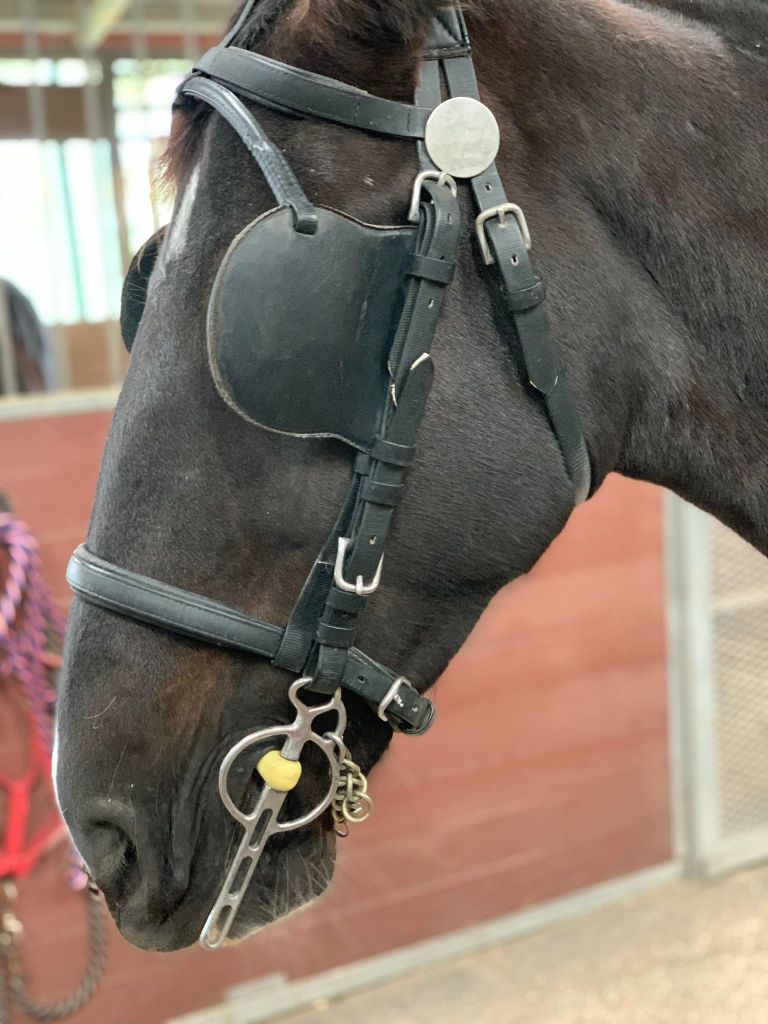
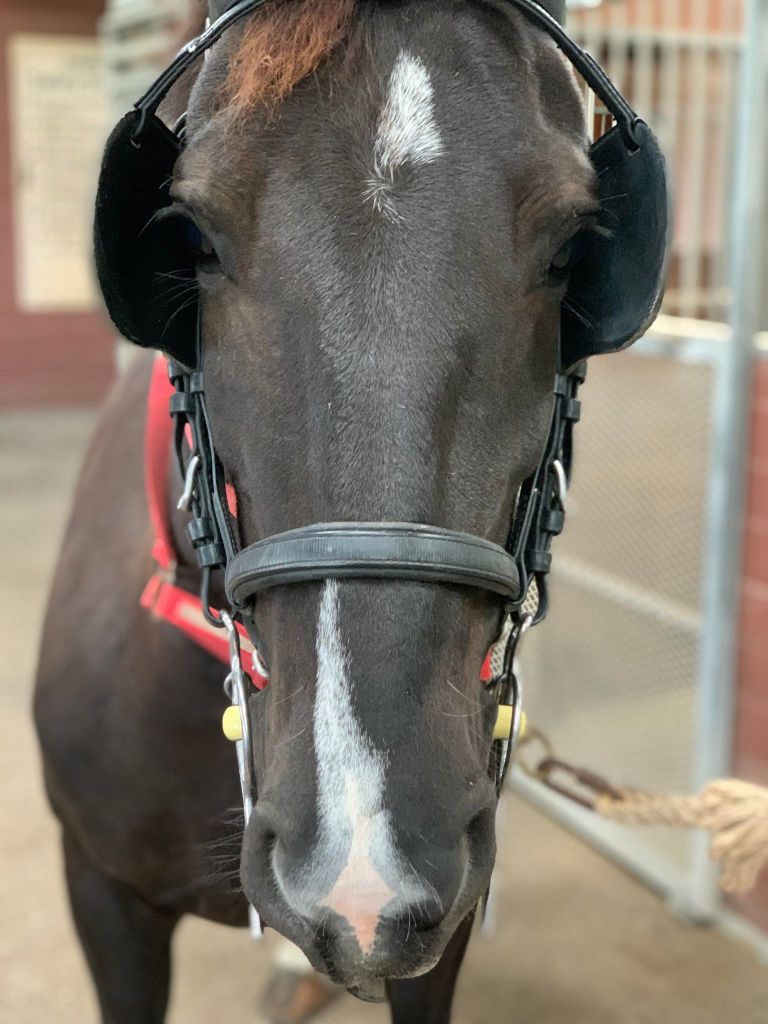
Once you have the correct bit for your event, and it is well fitted to your horse, it’s time to focus on using the bit to communicate. From my perspective, you should have a steady, light, elastic contact with your horse. I often ask people to think about their contact using the analogy of how you hold a raw egg vs. a boiled egg. When you hold a raw egg, it’s very light but secure. In my opinion this is how your contact with your horse should feel. As you lighten your contact, the horse should naturally look to change its pace and lengthen its stride. Conversely, as you make the contact stronger, the horse should start to slow and eventually halt. If the horse is not responding as expected, reassess your contact, the fit and adjustment of the bit, and the type of bit. Often, we blame the horse, but just as often (or more), the fault may lie in how we are communicating through the reins and the bit.
The wrong bit in the wrong hands can be a disaster for both horse and human. The bottom line is: is the horse comfortable, responsive, and safely manageable in the bit you decided to use? If so, then you have made the right choice!
 Ranch Ride Carriage Drive LLC