
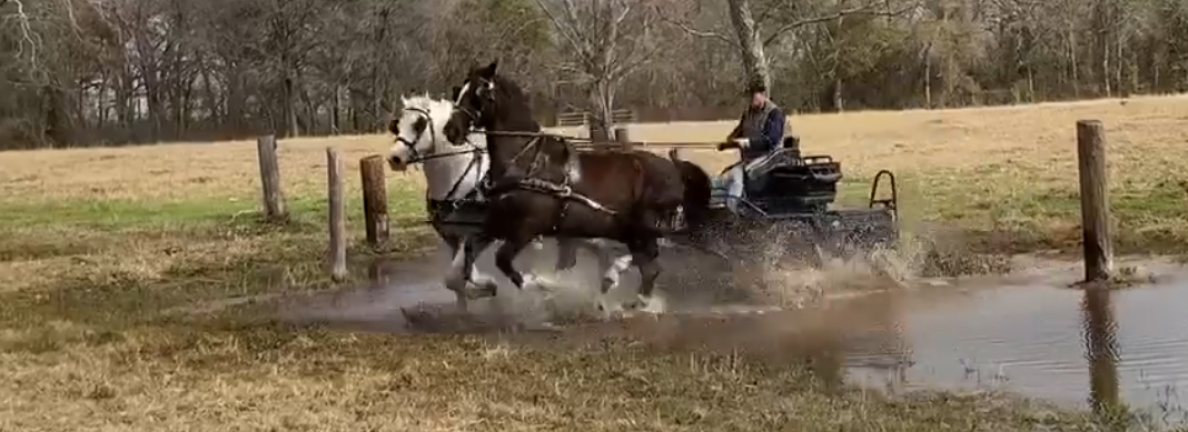
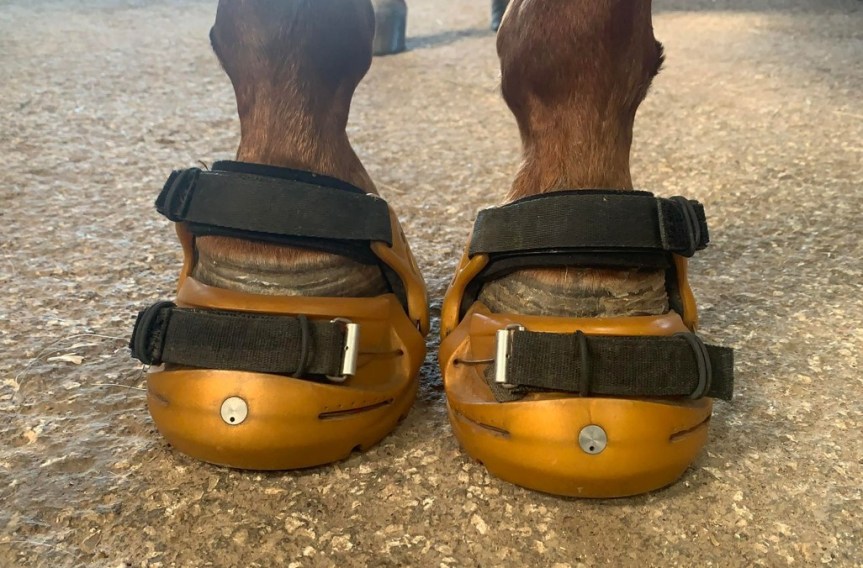
Recently, one of Ranch Ride Carriage Drive’s horses had some hoof issues, which prompted us to look into the idea of using hoof boots to protect his feet and keep him more comfortable and mobile.
If you have never used hoof boots before, there are a number of reasons you might consider them:
- Trail boots protect the hooves of barefoot horses on rocky terrain.
- They provide extra protection for sensitive feet while transitioning from being shod to going barefoot.
- They can provide temporary protection if your horse has lost a shoe.
- Some models, like the Cavallo, advertise that they can be worn over shoes for additional shock absorption.
- They can aid in hoof rehabilitation. Some models, like some of the Easyboots, can double as a “therapeutic boot” for keeping medicine in contact with the hoof.
There are lots of options on the market. When choosing a boot, you should consider the design of the boot, the shape and size of your horse’s hoof, and the intended purpose of your boot. When in doubt, consult your vet and / or farrier for advice.
Today, we’re sharing our experience with two models that we are personally familiar with: Scoot Boots and Renegades.
Both styles of boot are well-constructed and have lots of vents which allow for easy drainage and ventilation. We’re convinced that they don’t seem to generate as much heat as the enclosed neoprene style of boots, a plus for horses like ours that live in hot climates.
For both styles of boot (and for other boots as well), you must measure your horse’s hooves according to instructions on the website, and take photos of the measurements. A photo from the side, showing the angle of the hoof wall, is also helpful for a good fit. Staff at each company can help you choose the correct size for your horse, or inform you if their boots are not a good choice for the shape of your horse’s hoof. Sizing varies from one brand to another.
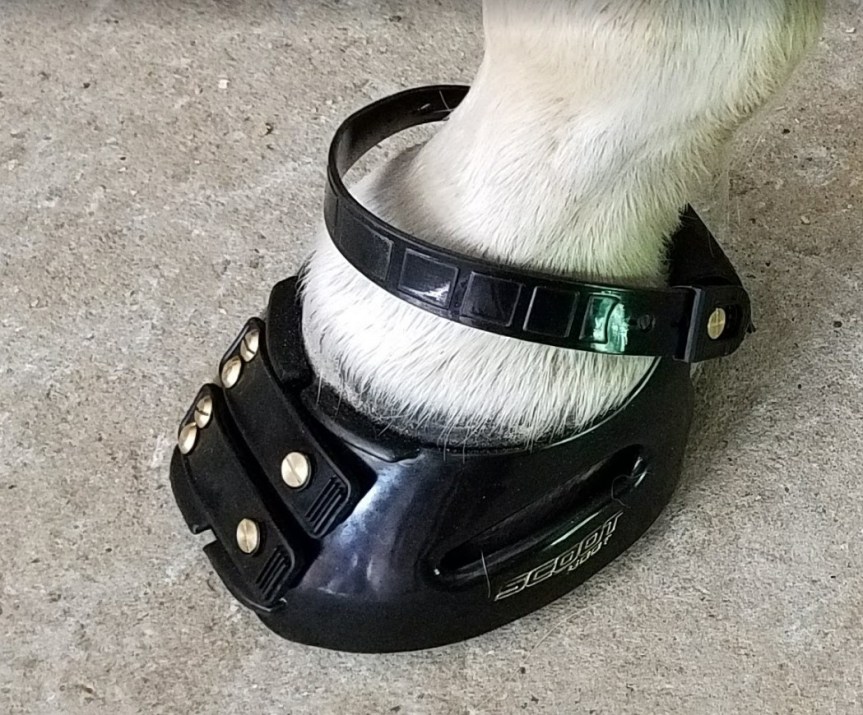
A colleague has been using Scoot Boots regularly for more than five years, with excellent results. The company chose the correct boot size based on the horse’s hoof measurements, and delivery was fast.
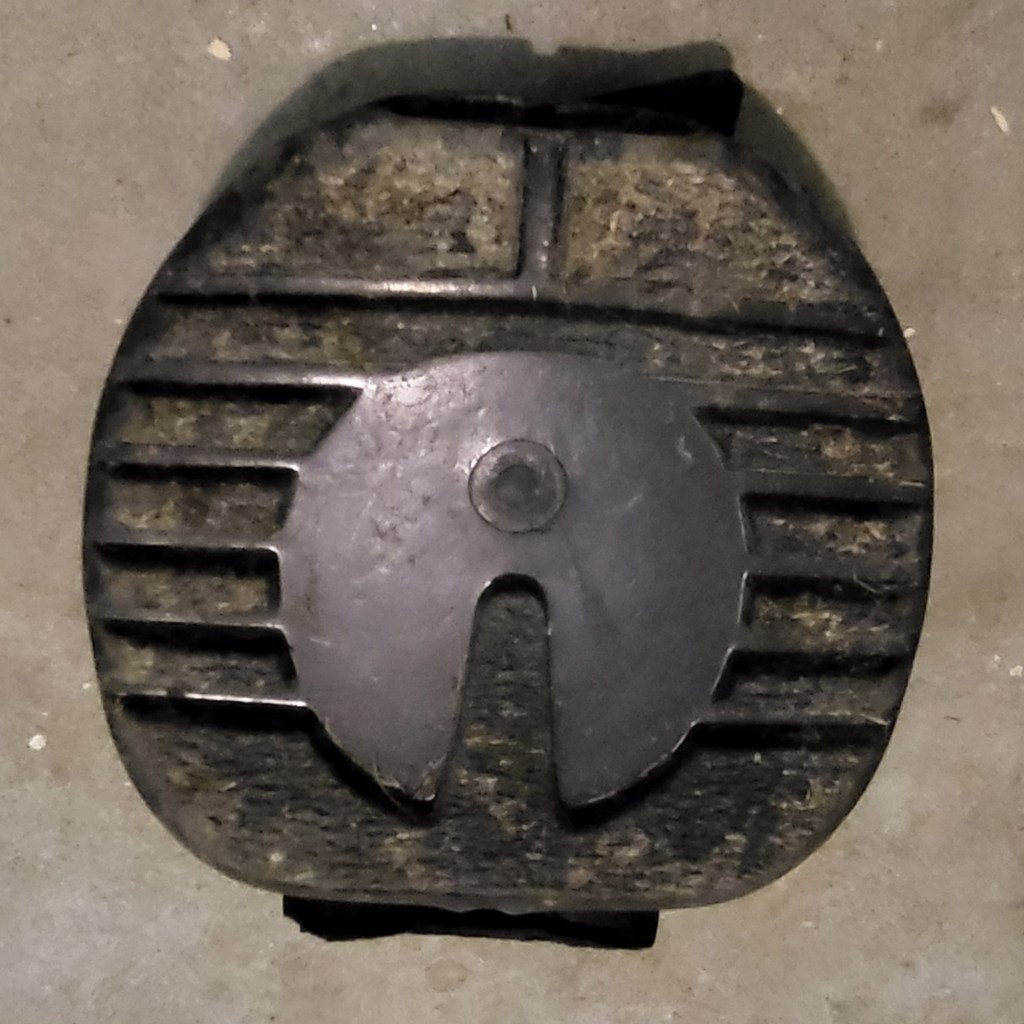
The Scoot Boots come with clear instructions and are easy to apply. You simply slide the boot over your horse’s hoof starting with the front of the toe, give it a firm tap and make sure it is well seated, then place the hoof on the ground.
Button the two toe straps, fasten the pastern strap, and you are set to go! The boots come with some extra straps and hardware, so when the straps eventually tear (and they will, occasionally), you can easily replace them. More replacement parts are available on their website. Scoot Boots also advertise that thanks to the ventilated design, the boots can be worn 24 /7 if needed for rehabilitation.
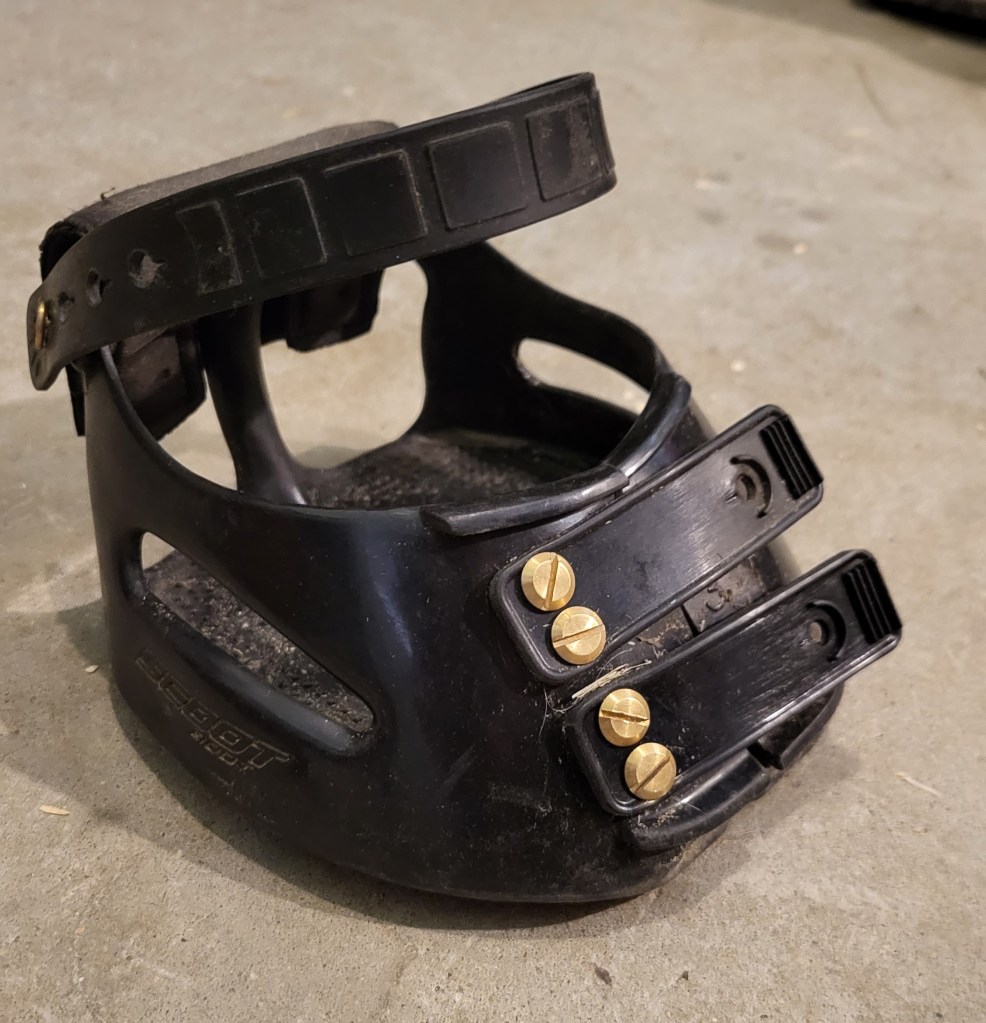
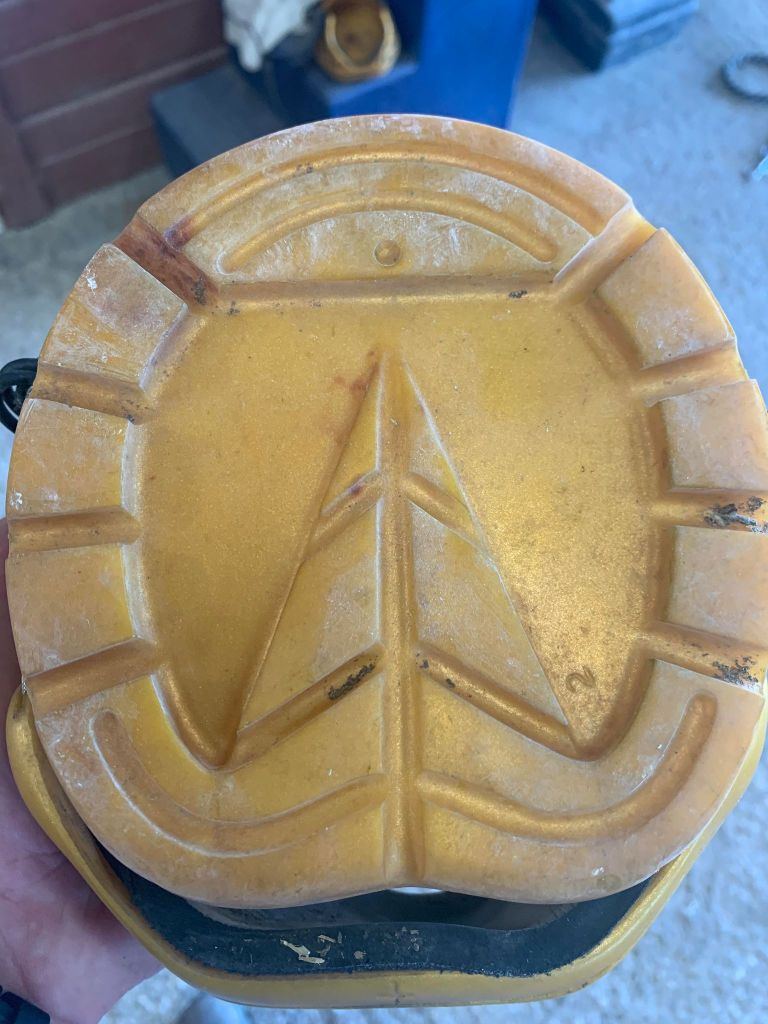
We chose the Renegades for our horse, so we emailed our measurement photos to the company per their instructions on their website. Initially, we received a pair of boots that were too small, but once we alerted the sales department and returned the boots along with templates of the horse’s front feet, we received a call telling us that they were mailing out another set of boots as speedily as possible. Their personal touch in customer service was greatly appreciated.
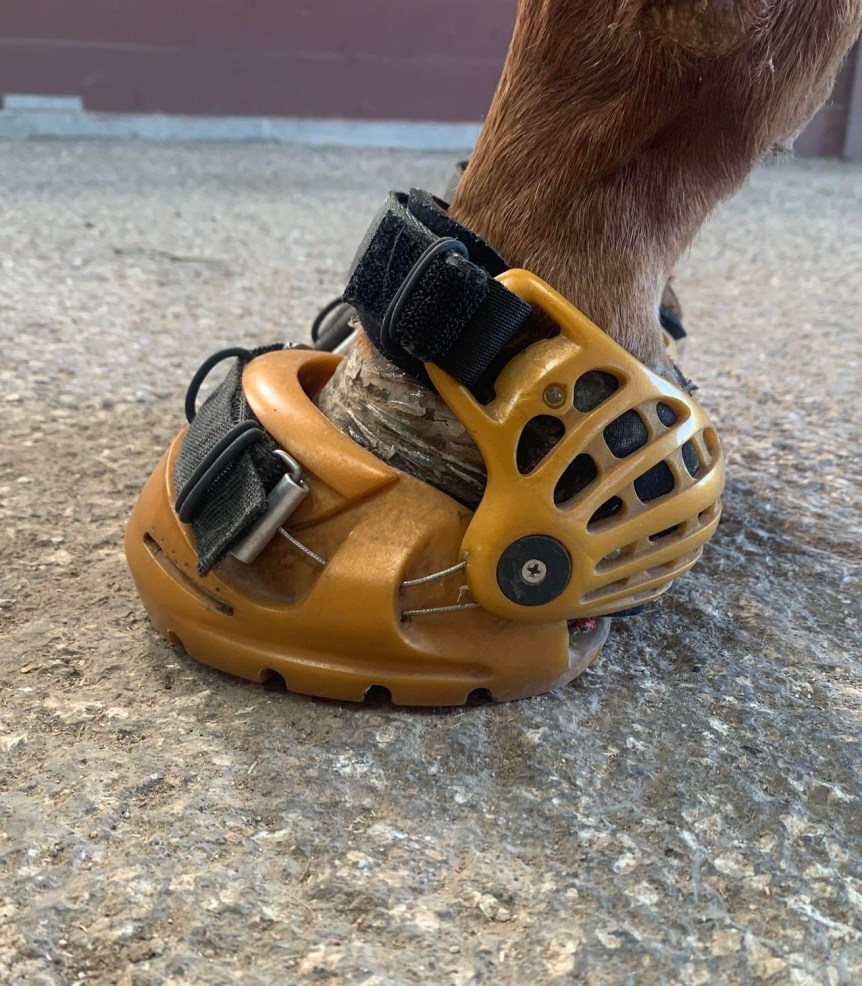
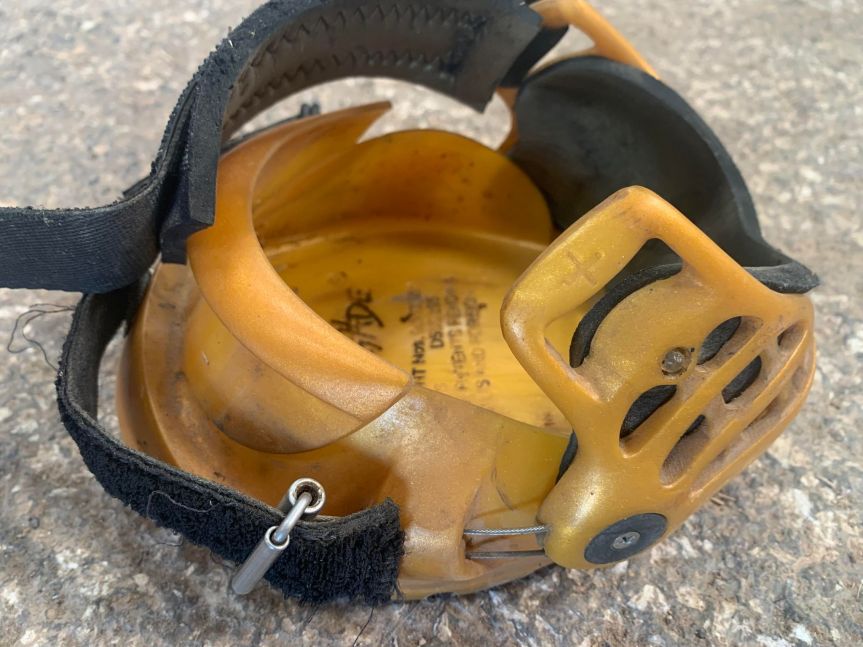
The fitting instructions are very easy to follow and make applying the boots very straightforward, although the Renegade has more moving parts than the Scoot Boot. One big difference is the “heel captivator” that cradles the heel bulbs. The heel captivator must be loosened and folded back under the sole of the boot to allow your horse’s hoof to slide in. Then pull the heel captivator over the heel bulbs and put the horse’s hoof on the ground. Snug up the boot using the toe strap, fasten the pastern strap, and you’re ready to go!
We found the Renegade to be a very well-constructed boot that flexes well with the horse’s foot. Like the Scoot Boot, the boots come with some spare straps, and more replacement parts can be ordered from their website.
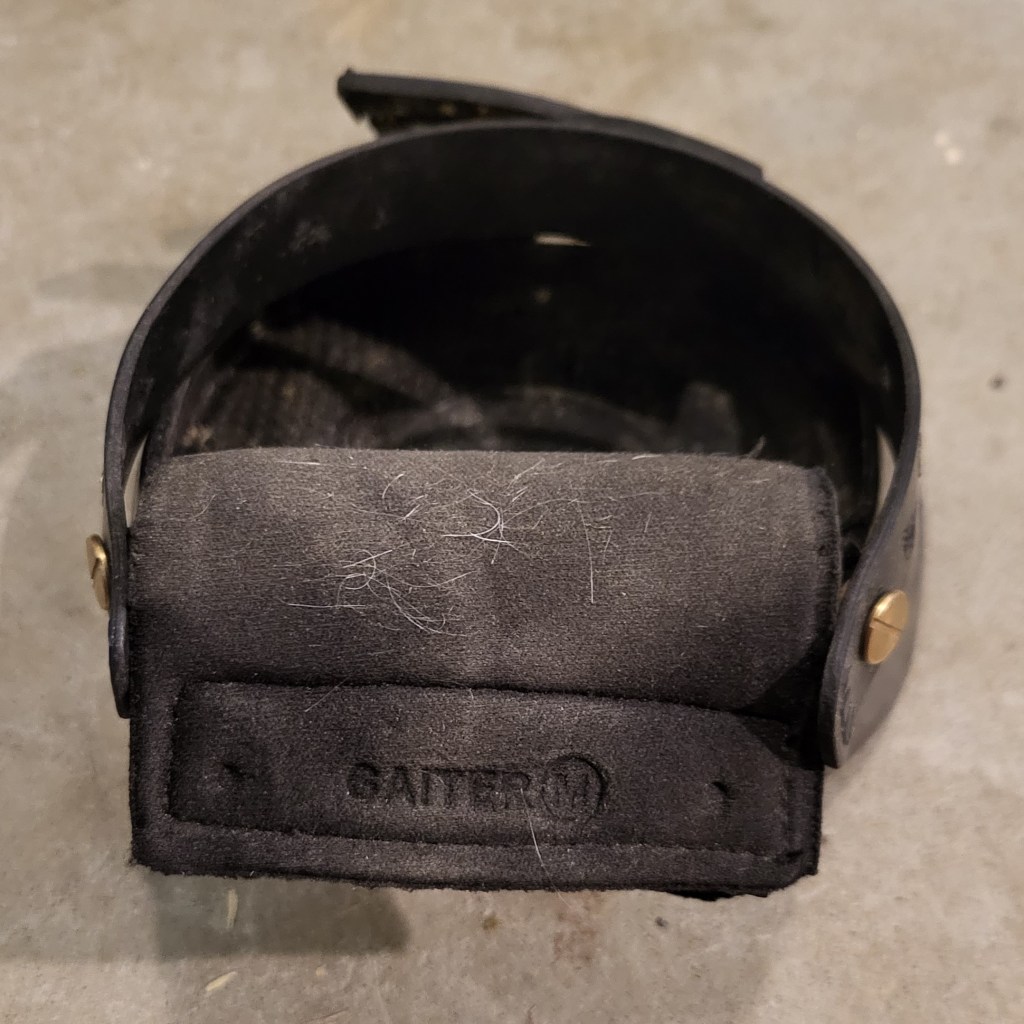
One thing we like about both styles of boot is that they do not chafe the horse’s heel bulbs. The Scoot Boots come with a soft fabric gaiter that fastens over the rear edge of the boot, and the back of the boot is completely open, so there is almost nothing touching the heel bulbs. The Renegades’ heel captivator takes the opposite approach: the heel captivator completely covers the heel bulbs, but is hinged for a perfect fit at just the right angle for your horse. The hinged design also allows the back of the boot to move with the heel, rather than chafing it.
We were also impressed with the low-bulk, low-profile design of both boot models.
Since receiving our boots here at the ranch, we’ve had our horse wear them for turnout but we keep him barefoot when he’s in his stall. We have seen a huge difference in his mobility, and we’re convinced that he’s more comfortable as his hoof condition improves.
Have you ever used boots for your horse? Which ones did you choose, and why? Comment and let us know about your experience!
 Ranch Ride Carriage Drive LLC